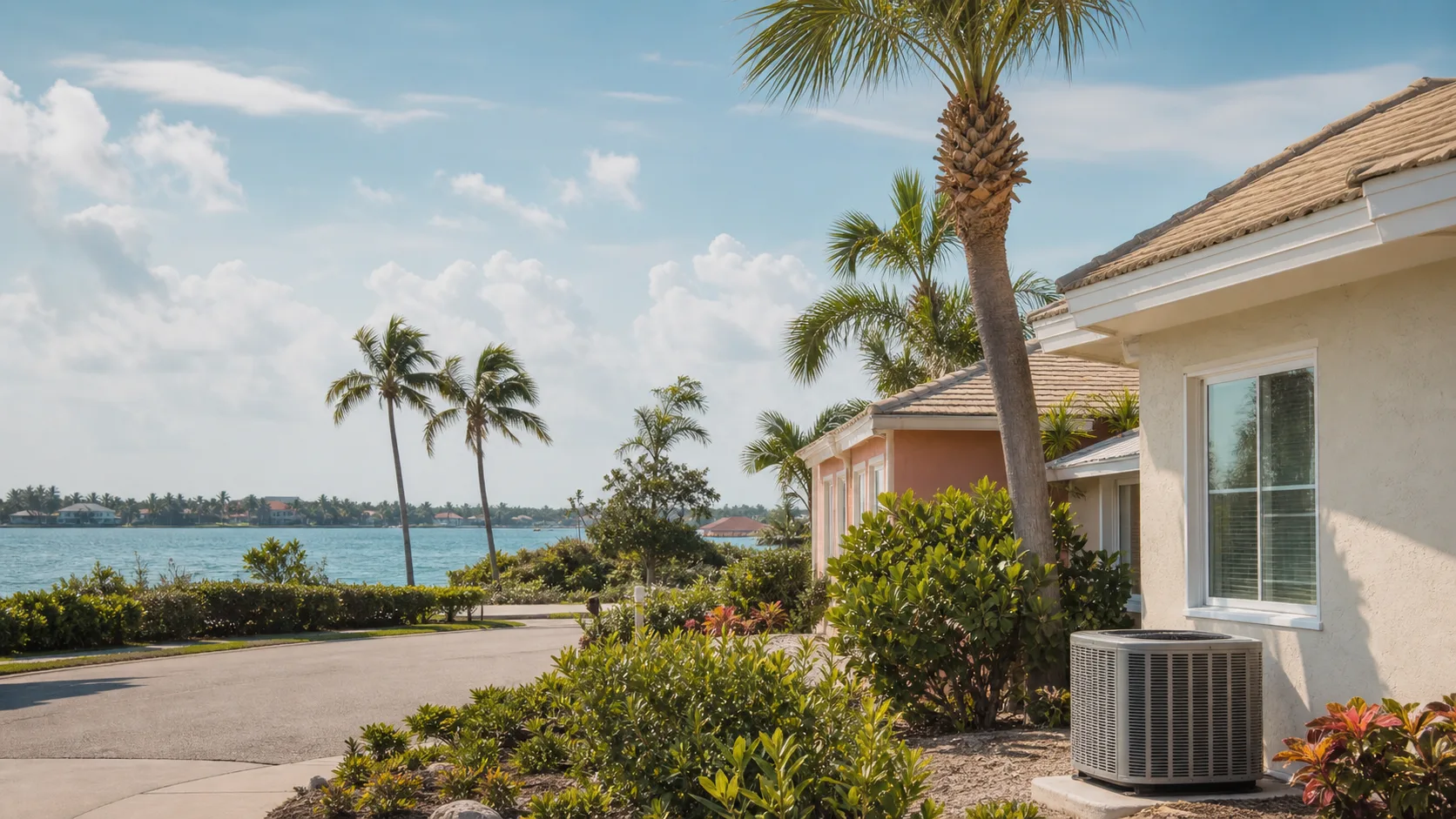
Panhandle
Northwest Florida
Pensacola, Panama City, Destin, Fort Walton Beach, Tallahassee and neighboring Gulf communities.
The Florida issue · 50 field notes
Florida is more than one coast or one kind of weekend. Start with springs, forts, mangroves, gardens, city streets and wide-open water across seven useful regions.

The shared map
The same regional structure will support future HVAC city pages. Travel ideas and contractor discovery remain separate jobs, connected by a practical Florida map.
Panhandle
Pensacola, Panama City, Destin, Fort Walton Beach, Tallahassee and neighboring Gulf communities.
First Coast
Jacksonville, St. Augustine, Gainesville, Ocala and surrounding inland and Atlantic communities.
Lakes & Springs
Orlando, Kissimmee, Lakeland, Winter Haven and the communities around Florida's interior lakes.
Suncoast
Tampa Bay, Sarasota, Bradenton, Fort Myers, Naples and nearby Gulf communities.
Space & Treasure Coasts
Daytona Beach, Melbourne, Port St. Lucie, Vero Beach and the Atlantic communities between them.
Gold Coast & Everglades
Miami, Fort Lauderdale, Boca Raton, West Palm Beach and communities near the Everglades.
Island Chain
Key Largo, Islamorada, Marathon, Big Pine Key, Key West and the islands between them.
Panhandle
Pensacola, Panama City, Destin, Fort Walton Beach, Tallahassee and neighboring Gulf communities.
Follow bright sand and coastal habitat along the protected barrier islands near Pensacola.
Plan for: Check the NPS site for access conditions before leaving.
Trace Florida's layered Gulf history through the downtown district, waterfront and nearby forts.
Plan for: Build a walking route around the sites that interest you most.
Launch a canoe or kayak where salt marshes and calm lagoon water meet the Gulf coast.
Plan for: Wind and storms can change paddling conditions quickly.
See an uncommon side of Florida from limestone bluffs above the Suwannee River.
Plan for: River levels affect how the rapids look and sound.
Take a river boat tour through spring-fed habitat known for birds, alligators and old-growth scenery.
Plan for: Wildlife sightings are never guaranteed.
End the day beside dunes, coastal forest and Gulf water on the Emerald Coast.
Plan for: Respect dune fencing and local beach rules.
Walk brick paths through a designed Tallahassee garden framed by camellias, azaleas and reflection pools.
Plan for: Seasonal blooms change the garden's character.
First Coast
Jacksonville, St. Augustine, Gainesville, Ocala and surrounding inland and Atlantic communities.
Walk the coquina fort and read the many cultural histories held within its walls.
Plan for: Use the NPS calendar for current programs and access.
Connect plazas, historic buildings and the bayfront on foot in the nation's oldest continuously occupied European-founded city.
Plan for: Start early if you prefer quieter sidewalks.
Pair Atlantic beach time with maritime hammock trails and the park's coquina landscape.
Plan for: Ocean conditions and park advisories should guide the day.
Find sculptural driftwood and weathered trees along Big Talbot Island's distinctive shoreline.
Plan for: Stay back from unstable bluffs and protect the natural setting.
Link shaded island roads, coastal views and Fernandina Beach at an easy bicycle pace.
Plan for: Choose a route suited to traffic, weather and rider ability.
Move with clear spring water through a protected river corridor in North Florida.
Plan for: Capacity, launch access and seasonal rules can change.
Follow the boardwalk into a deep sinkhole where small streams feed a shaded miniature ecosystem.
Plan for: Stairs and wet surfaces may affect accessibility.
Lakes & Springs
Orlando, Kissimmee, Lakeland, Winter Haven and the communities around Florida's interior lakes.
Look through clear spring water from one of Florida's best-known glass-bottom boat experiences.
Plan for: Review current park notices before choosing trails or boat times.
Move from the main spring into a forested river corridor rich with bird and wildlife habitat.
Plan for: Watch wildlife from a respectful distance.
Follow the boardwalk beside clear water used by wintering manatees and native fish.
Plan for: Observe manatees passively and follow sanctuary rules.
Launch into a spring-fed river landscape within reach of Orlando.
Plan for: Popular parks can reach capacity, so check access before travel.
Choose a public viewing area and watch a launch climb over Florida's Atlantic horizon.
Plan for: Launch dates and times can change with little notice.
Join a responsible night paddle when microscopic organisms make parts of the Space Coast water glow.
Plan for: Conditions are seasonal and brightness is not guaranteed.
Pair garden paths with the Singing Tower on one of peninsular Florida's higher ridges.
Plan for: Check the venue directly for current programs.
Choose one major park or attraction and give the day enough room for heat, crowds and rest.
Plan for: Operating details and admission policies belong to the venue.
Suncoast
Tampa Bay, Sarasota, Bradenton, Fort Myers, Naples and nearby Gulf communities.
Cross to an undeveloped Gulf island for beach walking, paddling and coastal habitat.
Plan for: Ferry and boat access depend on weather and operations.
Look for shorebirds and raptors while crossing pine flatwoods near the Gulf.
Plan for: Give nesting and resting wildlife generous space.
Follow a clear spring-fed river through low forest and wildlife habitat.
Plan for: Use designated launches and never approach or touch manatees.
Walk, paddle or take a park drive through wetlands, prairie and hammocks east of Sarasota.
Plan for: Alligators and other wildlife require distance and attention.
Learn how Greek heritage and the sponge industry shaped this Gulf Coast community.
Plan for: Support local museums and businesses that tell the community's story.
Connect waterfront parks, public art and museums along the Hillsborough River.
Plan for: Florida heat makes water and shade important.
Choose a public beach access and let the changing Gulf light close the day.
Plan for: Check weather, parking and beach flags locally.
Space & Treasure Coasts
Daytona Beach, Melbourne, Port St. Lucie, Vero Beach and the Atlantic communities between them.
Ride only where local beach rules and conditions allow along Daytona's broad shoreline.
Plan for: Tides, traffic zones and local rules shape safe access.
Take a lesson or watch experienced surfers work the Atlantic break near the Space Coast.
Plan for: Match the surf forecast and rip-current risk to your ability.
Use the slow wildlife route to scan impoundments for birds, alligators and other wetland life.
Plan for: Wildlife remains wild; stay in permitted areas.
Walk an undeveloped Atlantic shoreline beside dunes, lagoon habitat and protected historic resources.
Plan for: NPS notices should guide access and seasonal planning.
Try shore or pier fishing where the Indian River Lagoon meets the Atlantic Ocean.
Plan for: Use current Florida licenses, seasons and harvest rules.
Move quietly through estuarine water where mangroves, birds and marine life share the shoreline.
Plan for: Choose an outfitter or launch that follows wildlife-safe practices.
Pair formal garden paths with a nearby Atlantic beach known for exposed coquina rock.
Plan for: Tides and surf affect how much rock is visible.
Gold Coast & Everglades
Miami, Fort Lauderdale, Boca Raton, West Palm Beach and communities near the Everglades.
Follow a short boardwalk into Everglades sawgrass habitat used by alligators, turtles and wading birds.
Plan for: Keep distance from every animal and prepare for heat.
Travel the paved loop through the Everglades by bicycle or authorized tram.
Plan for: Sun exposure is high and wildlife can be close to the route.
Follow a marked canoe trail through shallow marsh and mangrove environments in Everglades National Park.
Plan for: Water levels, weather and route conditions require current NPS guidance.
Join a guided trip to explore coral, seagrass or maritime sites in a park that is mostly water.
Plan for: Use reef-safe behavior and a qualified operator.
Learn how shipwrecks, islands and human settlement connect across Biscayne Bay.
Plan for: Most in-water sites require a boat and suitable conditions.
Read the color, geometry and preservation history of Ocean Drive and surrounding blocks.
Plan for: A guided architecture walk adds useful context.
Take a slow drive through cypress country west of Miami and watch for wetland wildlife.
Plan for: Road and weather conditions can change, especially in the wet season.
Island Chain
Key Largo, Islamorada, Marathon, Big Pine Key, Key West and the islands between them.
Reach the remote brick fort in Dry Tortugas National Park by authorized ferry or seaplane.
Plan for: Transport is limited and weather can affect access.
Enter clear water near Fort Jefferson to see seagrass, fish and marine habitat.
Plan for: Conditions, ability and protected-resource rules come first.
Spend time beside clear Keys water and walk for views of the historic bridge.
Plan for: Review park advisories and swim only in safe conditions.
Link shaded lanes, architecture, waterfront history and public squares on foot.
Plan for: Choose smaller local museums for deeper context.
Cross the island chain slowly, stopping only at legal overlooks, parks and local businesses.
Plan for: Traffic and storm conditions can reshape the day.
Explore sheltered mangrove channels with a guide who understands tides and sensitive habitat.
Plan for: Do not cut across seagrass or disturb nesting wildlife.
Watch for the small native deer on and around Big Pine Key without feeding or approaching them.
Plan for: Drive slowly and keep wildlife wild.
A better Florida day
Weather, tides, wildlife, road access and park capacity can change a plan. Confirm conditions with the responsible organization, carry water, and choose a shorter day when heat or storms make the original plan unwise.
Wildlife watching stays passive. FWC guidance asks visitors to give animals space and avoid changing their behavior. Protected places work best when every visitor leaves habitat, plants and historic fabric in place.
When the Florida heat follows you home
The Florida air-conditioning guide turns maintenance, repair and replacement questions into a practical homeowner checklist.
Read the Florida AC guide